

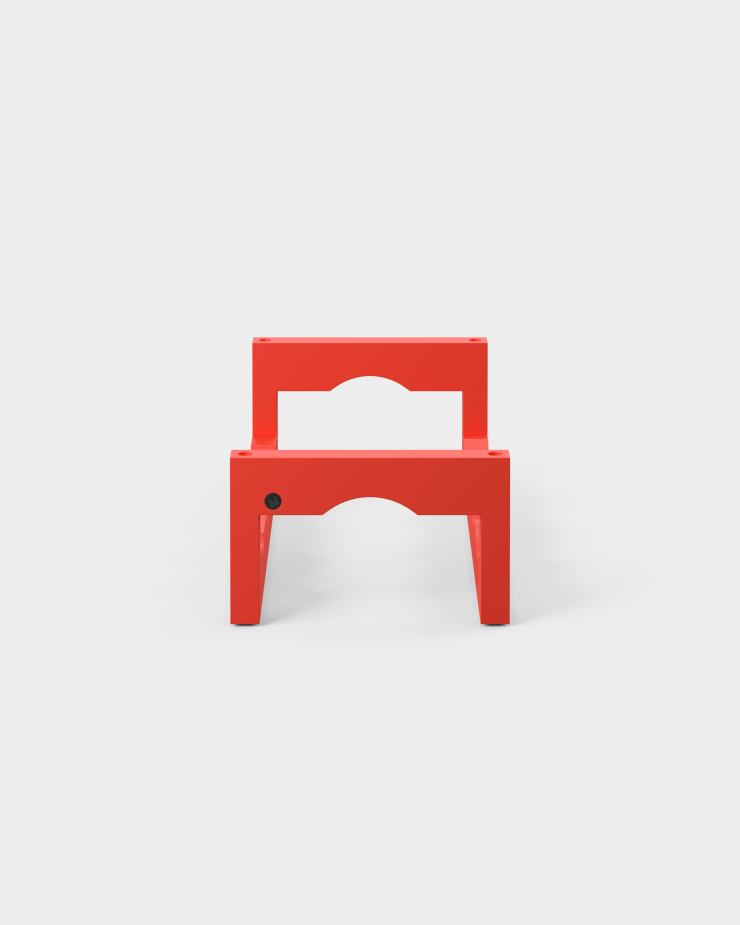
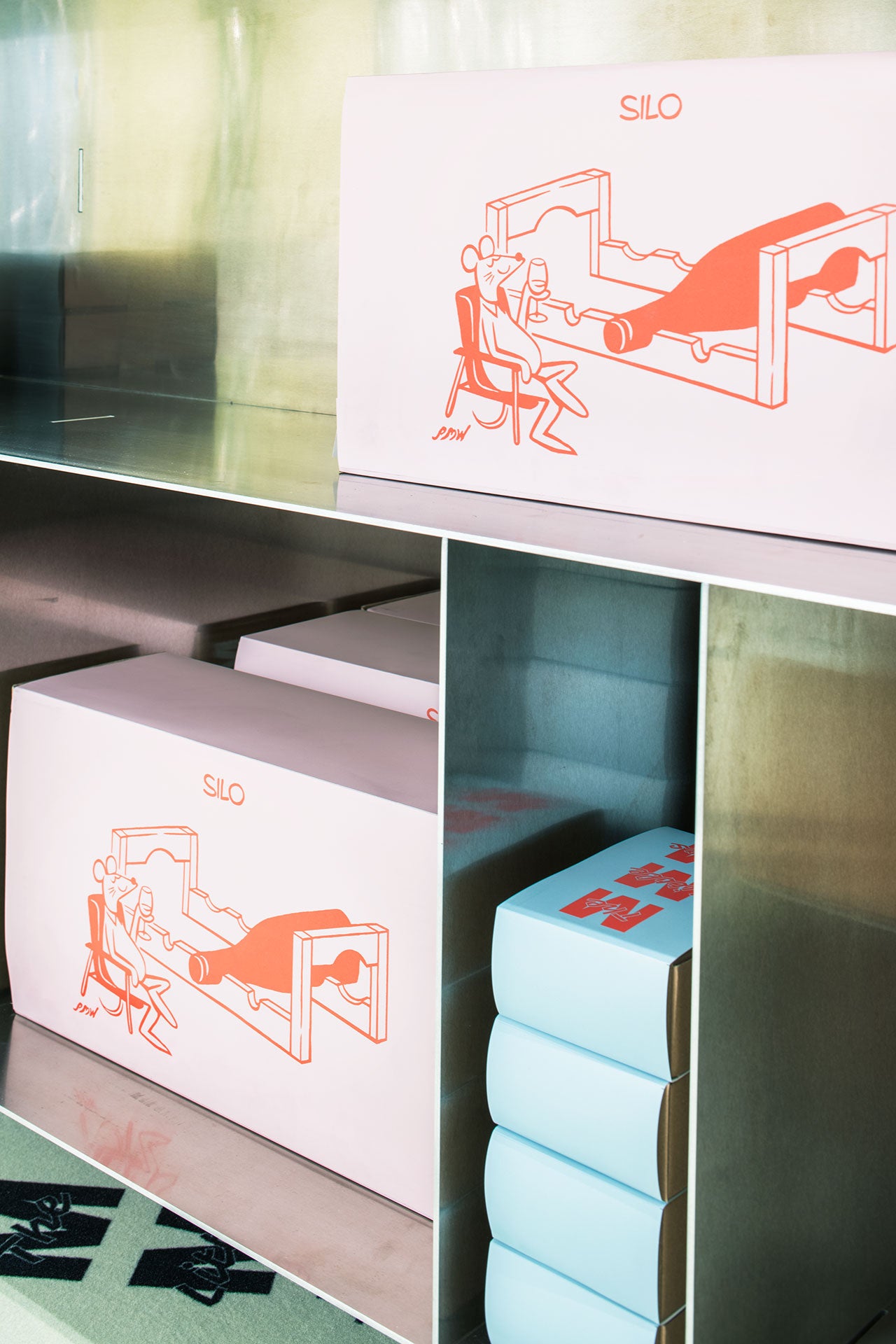

SILO WINE RACK
Awarded "Interior Design Product of the Year 2024" at the Scandinavian Design Awards 2024.
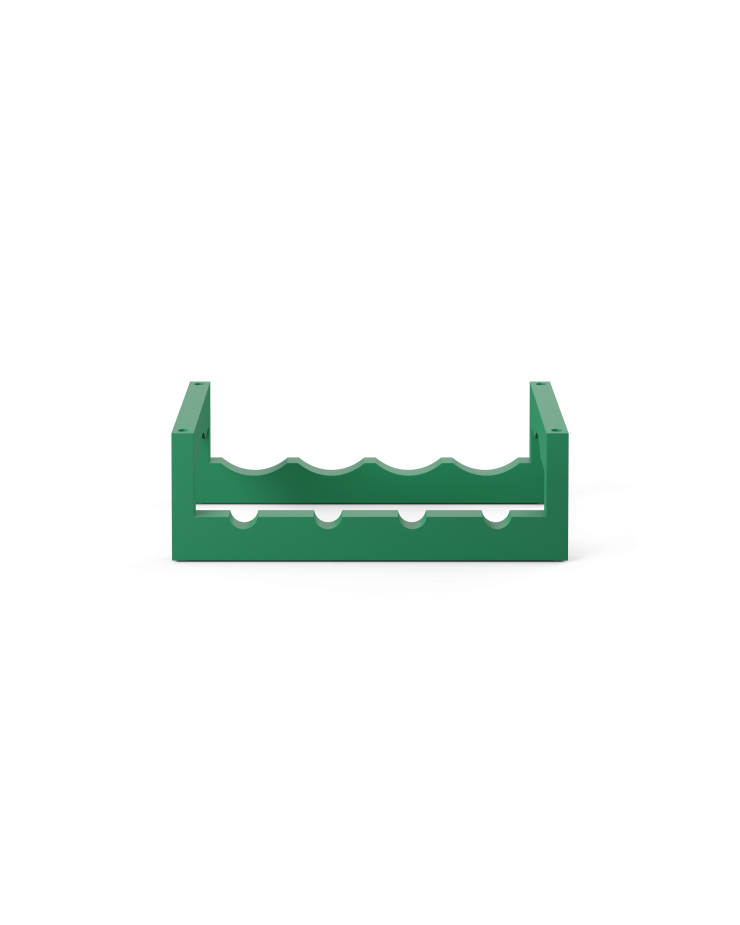
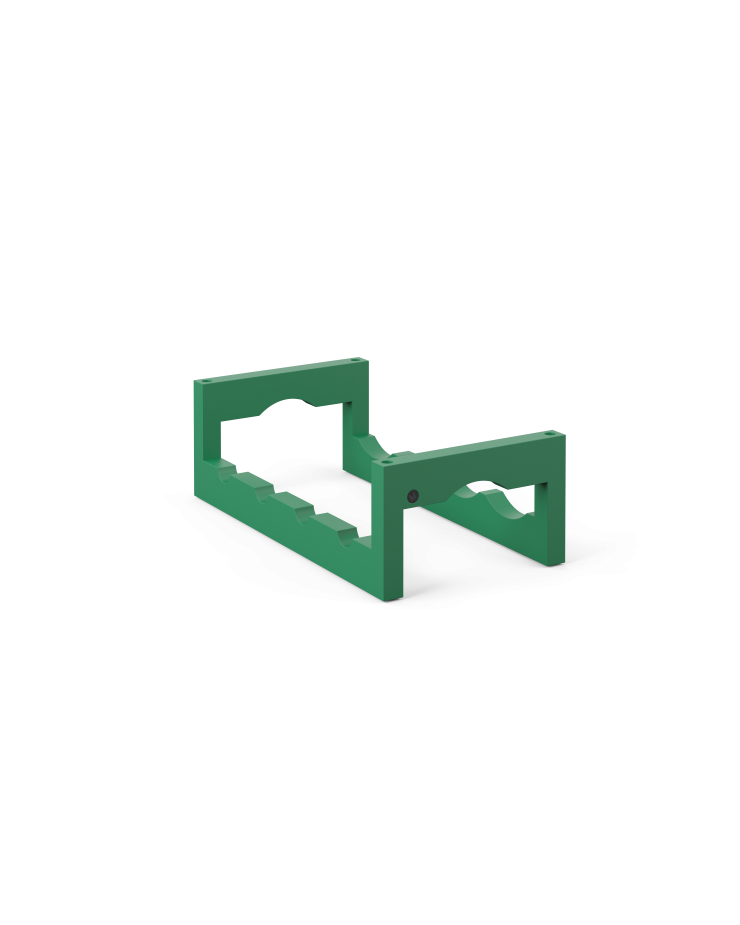
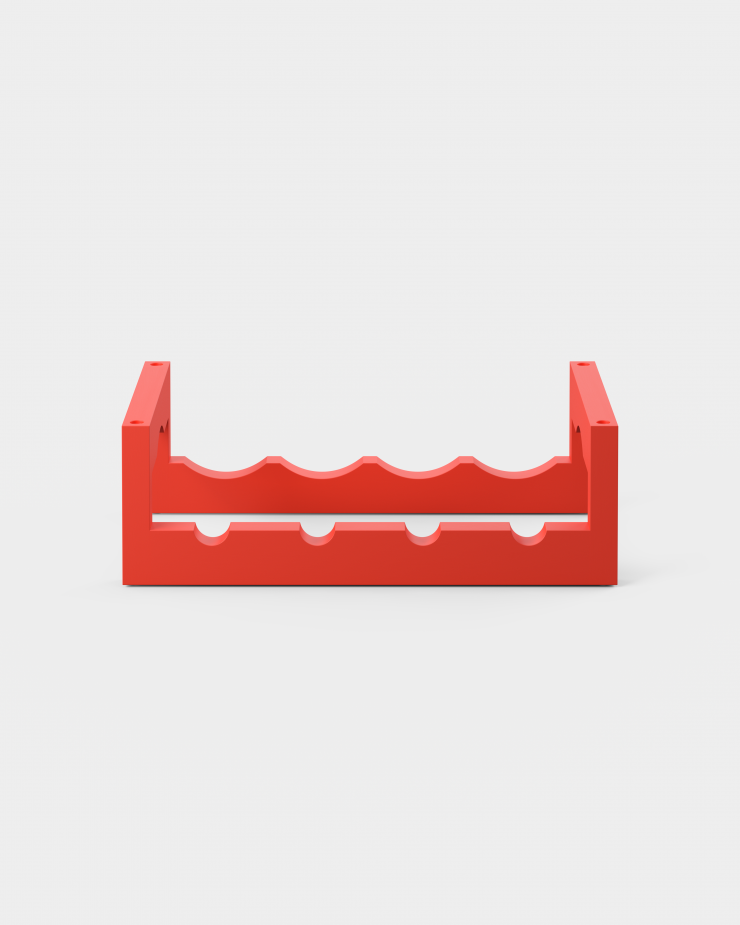
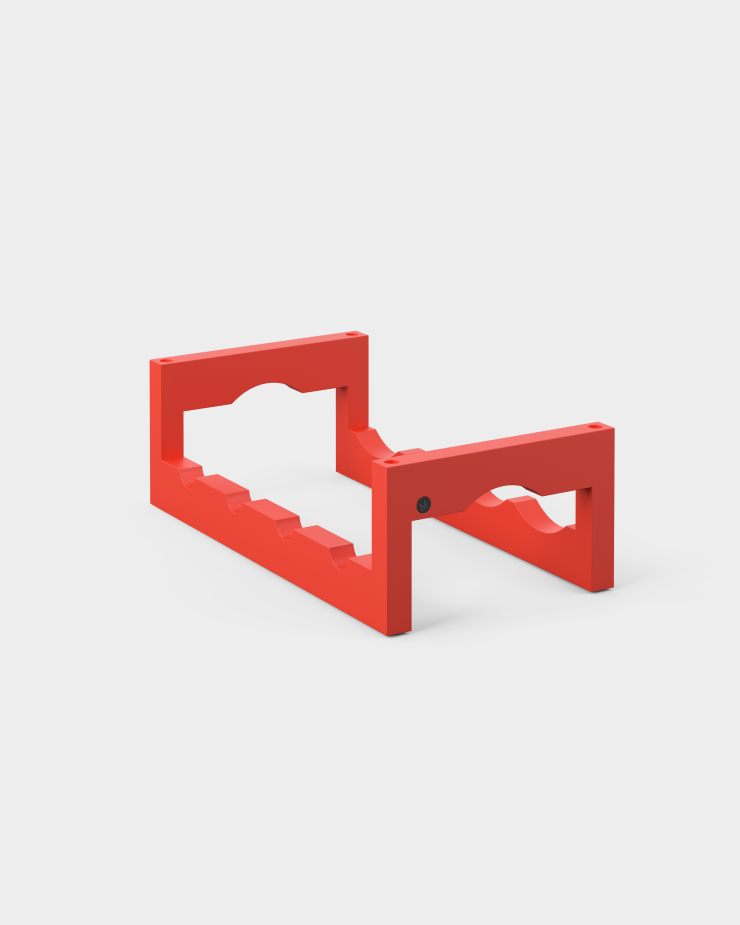
Based on a continuous loop, Chris Martin designed the wine rack as an unbroken line of wood, in which the bottles rest securely in milled recesses. Silo holds the bottles firmly and in a horizontal position. The bottles lie at an angle of 3.87 degrees, so that the wine always remains in contact with the cork – an important aspect to prevent the cork from drying out and thus impairing the wine.
Silo is a wine rack whose name refers to both storage containers and the companions of the Greek wine god Silenus. The typology of the rack is inspired by traditional wine cellars. Each module holds 4 bottles and can be stacked up to four units high.
Technical details
⦿PRODUCT DIMENSIONS
Width: 445 mm / 17.36 inches
Depth: 240 mm / 9.36 inches
Height: 147.5 mm / 5.75 inches
Weight: 930 g / 1.98 lbs
⦿PACKAGING SPECIFICATIONS
Box:
Width: 470 mm / 18.33 inches
Depth: 255 mm / 9.95 inches
Height: 160 mm / 6.24 inches
Total weight: 1.4 kg / 3.09 lbs
CO₂ impact – Total climate footprint of the product
Measurable self-assessment
Care & Maintenance
To clean wooden surfaces, ideally use a cleaning agent or a mild, pH-neutral cleaner with lukewarm water and a well-wrung cloth. Then wipe over with clear water and dry.
To preserve the appearance and surface, you should avoid the following:
⦿Alkaline or aggressive cleaning agents
⦿Solvents
⦿Products with abrasive ingredients
⦿Abrasive tools
Make sure not to leave cleaning agents or other liquids on the surface for extended periods.
For furniture and surfaces used in public spaces, it is also important not to use disinfectants with a high alcohol or alkaline content (e.g. 70% alcohol). There are suitable disinfectants that can be used without significantly affecting the lacquered or coated surface.
Please note: Freshly lacquered surfaces are susceptible to scratches. They only reach their final resistance after about one month. Adhesive tape and other foreign substances such as adhesives or moisturising creams can soften the treated surface and lead to chipping or peeling of the lacquer.


